In a world increasingly defined by the rush of modern life, the concept of slow travel has emerged as one of the most transformative trends in 2025. This approach to travel emphasizes quality over quantity, encouraging travelers to immerse themselves in their destinations, connect with local cultures, and savor every moment. Whether you’re navigating the scenic railways of Switzerland, embarking on a self-drive tour through New Zealand, or simply taking time to explore your own backyard, slow travel offers a refreshing antidote to the fast-paced itineraries of traditional tourism.
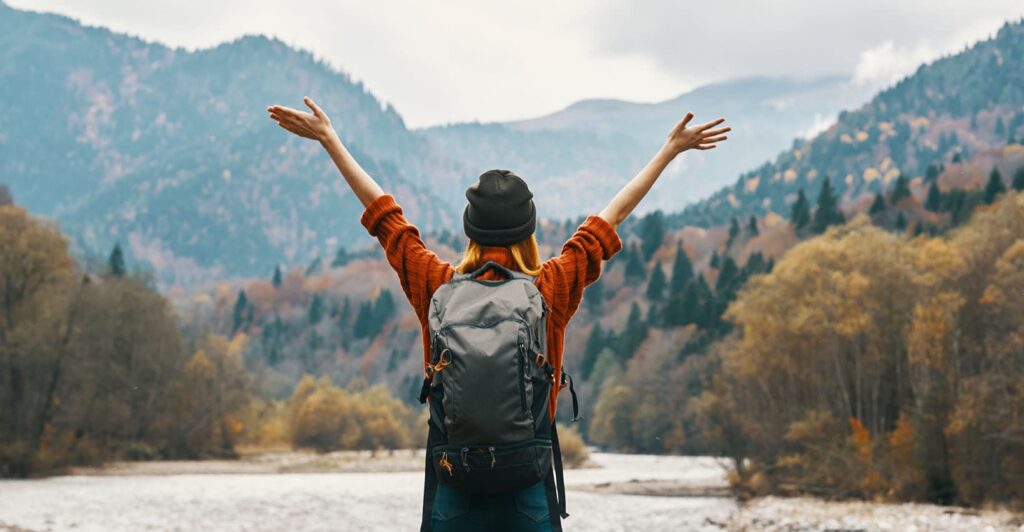
What is Slow Travel?
Slow travel is more than just a vacation style—it’s a philosophy. It prioritizes meaningful experiences over ticking off a checklist of tourist attractions. Instead of rushing from one landmark to another, slow travelers focus on:
- Spending extended time in one location.
- Engaging deeply with local cultures and communities.
- Choosing environmentally friendly modes of transport like trains or bicycles.
- Avoiding over-scheduled itineraries to allow for spontaneity.
This trend aligns with the growing emphasis on sustainability and mindfulness in travel, making it an ideal choice for those seeking both personal enrichment and a reduced environmental footprint.
Top Destinations for Slow Travel in 2025
1. Switzerland: A Rail Enthusiast’s Dream
Switzerland has long been synonymous with breathtaking landscapes and efficient public transport. In 2025, its scenic rail journeys are at the forefront of slow travel trends. The Glacier Express and Golden Pass Panorama Express offer travelers unparalleled views of snow-capped mountains, lush valleys, and charming villages.
Highlights:
- Spend time in elegant cities like St. Moritz.
- Take alpine excursions to iconic peaks like the Matterhorn or Jungfrau.
- Enjoy leisurely strolls through picturesque towns along your route.
2. New Zealand: A Self-Drive Paradise
For those with more time to spare, New Zealand’s vast natural beauty is best explored through a 27-night self-drive itinerary. From the beaches of Abel Tasman to the fjords of Milford Sound, this journey allows you to experience the country’s diverse landscapes at your own pace.
Highlights:
- Cruise through Fiordland National Park and marvel at Mitre Peak.
- Immerse yourself in Māori culture in Rotorua.
- Explore glaciers, rock formations, and vibrant cities like Wellington and Auckland.
3. Local Gems Closer to Home
Slow travel doesn’t always require venturing far from home. Many travelers are rediscovering the joys of exploring local destinations. Whether it’s a weekend cabin retreat or a day trip to a nearby town, these experiences can be just as enriching as international adventures.
Highlights:
- Support local economies by dining at family-owned restaurants.
- Participate in community events or workshops.
- Discover hidden gems that are often overlooked by mainstream tourism.
The Benefits of Slow Travel
1. Deeper Cultural Connections
By spending more time in one place, slow travelers have the opportunity to form genuine connections with locals. This might involve learning about traditional crafts, participating in cultural festivals, or simply striking up conversations with residents.
2. Reduced Environmental Impact
Slow travel often involves eco-friendly practices such as using public transportation or staying in sustainable accommodations. This approach minimizes your carbon footprint while supporting responsible tourism initiatives.
3. Enhanced Well-being
Traveling at a slower pace allows for relaxation and mindfulness. Instead of feeling rushed or stressed, you can fully appreciate the sights, sounds, and flavors of your destination.
4. Cost Efficiency
Surprisingly, slow travel can also be budget-friendly. By focusing on fewer destinations and longer stays, you can save on transportation costs and take advantage of discounts for extended accommodations.
Tips for Embracing Slow Travel
- Plan Wisely but Flexibly: While it’s essential to have a general idea of your itinerary, leave room for spontaneous discoveries.
- Choose Sustainable Options: Opt for eco-lodges, locally sourced meals, and green transportation methods.
- Engage with Locals: Attend community events or workshops to gain deeper insights into the culture.
- Unplug: Consider setting aside your devices to fully immerse yourself in your surroundings.
- Travel Light: Packing minimally not only reduces stress but also aligns with the sustainable ethos of slow travel.
Conclusion
In 2025, slow travel isn’t just a trend—it’s a movement toward more meaningful and sustainable ways of exploring the world. Whether you’re gazing out at Swiss alpine vistas from a train window or savoring fresh seafood on New Zealand’s coastlines, this approach invites you to experience travel as it was meant to be: enriching, unhurried, and unforgettable.
So pack your bags (lightly), embrace spontaneity, and let slow travel redefine how you see the world!
Leave a Reply